Acupressure Increases Muscle Temperature, Flexibility, and Preparedness for Physical Activity
Acupressure increases muscle temperature and helps your body feel looser, more responsive, and better prepared for physical activity—without needing a sweaty, exhausting warm-up first.
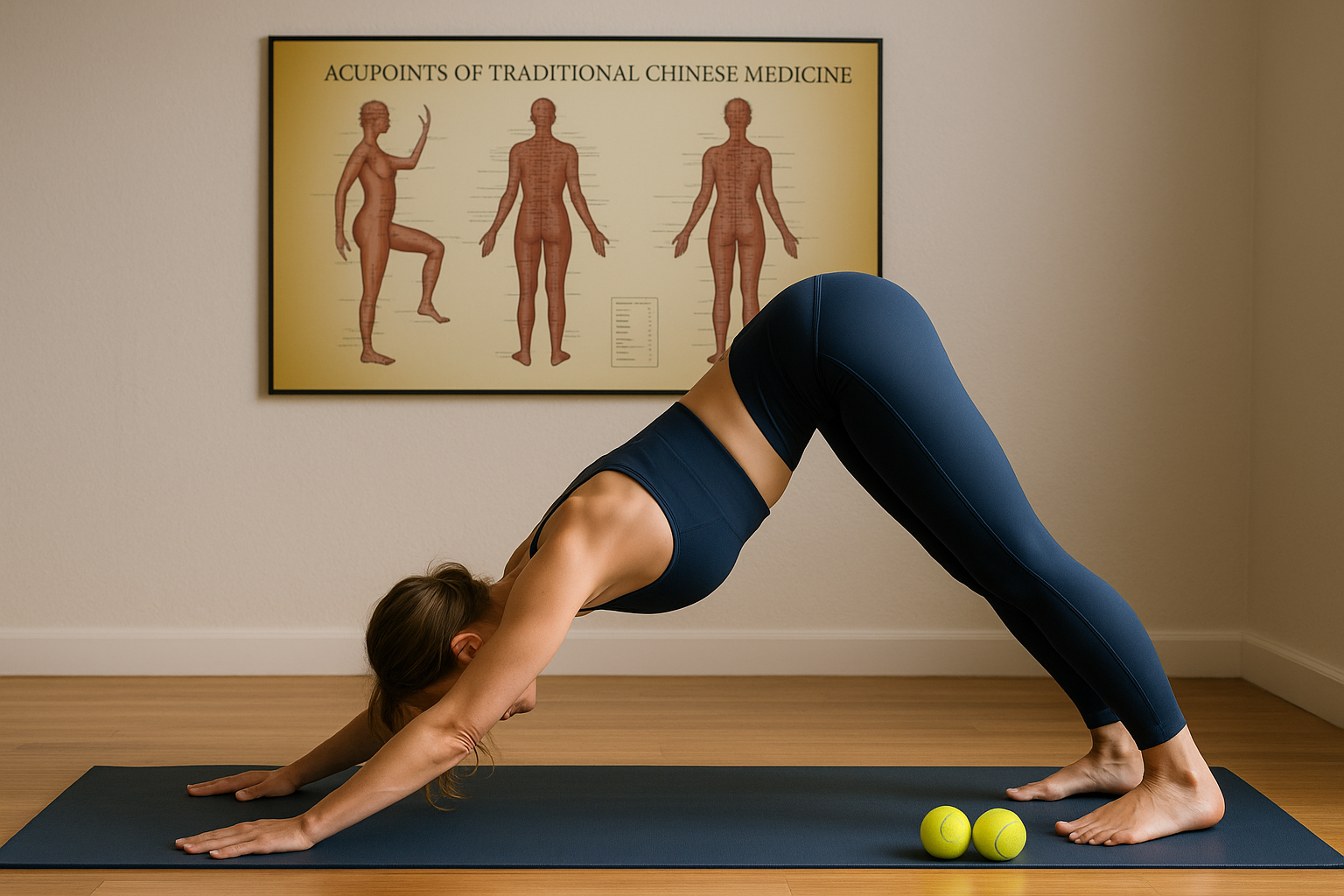
Have you ever jumped into a workout or yoga session only to feel stiff, sluggish, or unprepared? There’s a simple way to get your muscles warm, loose, and ready for action—without breaking a sweat first. Let’s talk about acupressure: the ancient, needle-free bodywork method that preps your body like a pro. Whether you’re rolling into a yoga flow, hitting the gym, or heading into a physical therapy session, acupressure can give your muscles the warm-up they crave.
What Is Acupressure and How Does It Work?
Acupressure is kind of like acupuncture’s needle-free cousin. Using fingers, knuckles, or specialized tools, we apply pressure to specific points on the body known as acupoints. My favorite tools are balls. These points lie along energy pathways (meridians) that influence everything from muscle function to organ health.
But here’s the kicker: stimulating these acupoints doesn’t just “balance energy” in a mystical sense. It can increase circulation, wake up the nervous system, and help warm muscle tissues. It’s like flipping on the engine before taking your body out for a drive.
Why Acupressure Works for Muscle Warm-Up and Flexibility
1) Increases Blood Flow
When you press into a key muscle area—say, your calves or shoulders—you encourage circulation. More blood flow means warmer tissue, faster responsiveness, and smoother movement.
More blood flow can help:
• raise tissue temperature
• support elasticity and flexibility
• reduce that “cold start” tightness
• improve readiness for movement patterns
2) Activates the Nervous System
Pressure-based stimulation can help your body “switch on” the neuromuscular system. The result: better coordination, more stable joints, and cleaner movement.
3) Helps Tissue Glide and Move Better
Tight tissue doesn’t glide well. When you apply pressure—especially with a ball—you can help relieve stubborn restrictions so your body moves with less friction and less strain.
When to Use Acupressure for Best Results
Timing matters. Think of acupressure as the “homework” your muscles love. Use it strategically depending on your goal.
Do Acupressure as a Warm-Up Before:
• physical activity
• yoga
• cardio
• weight lifting
• dance or martial arts
Between Therapy Appointments
• keeps the healing going
• maintains circulation
• supports recovery
Post-Workout
• eases tension
• helps reduce soreness
• supports cool-down
Top Acupressure Points to Activate Your Muscles
Let’s dive into specific points you can work on before your next stretch, squat, or sprint.
Before-Workout Routine (Quick Sequence)
Gallbladder 34 (Yanglingquan)
Use: Warms up hips and glutes; eases stiffness in hips, legs, and back
Location: Outer side of the leg, just below the knee
How: Press deeply with thumb for 30 seconds each side
Stomach 36 (Zusanli)
Use: Energizes legs; improves circulation
Location: Four fingers below the kneecap, one finger-width outside the shinbone
How: Apply firm pressure for 60 seconds with slow breathing
Bladder 57 (Chengshan)
Use: Loosens calves and supports hamstrings release
Location: Center of the calf muscle, halfway between knee and heel
How: Massage gently in circles with thumb or ball
Large Intestine 10 (Shousanli)
Use: Preps arms for lifting or yoga
Location: Outer forearm, two fingers below the elbow crease
How: Press for 60 seconds or until the ache diminishes
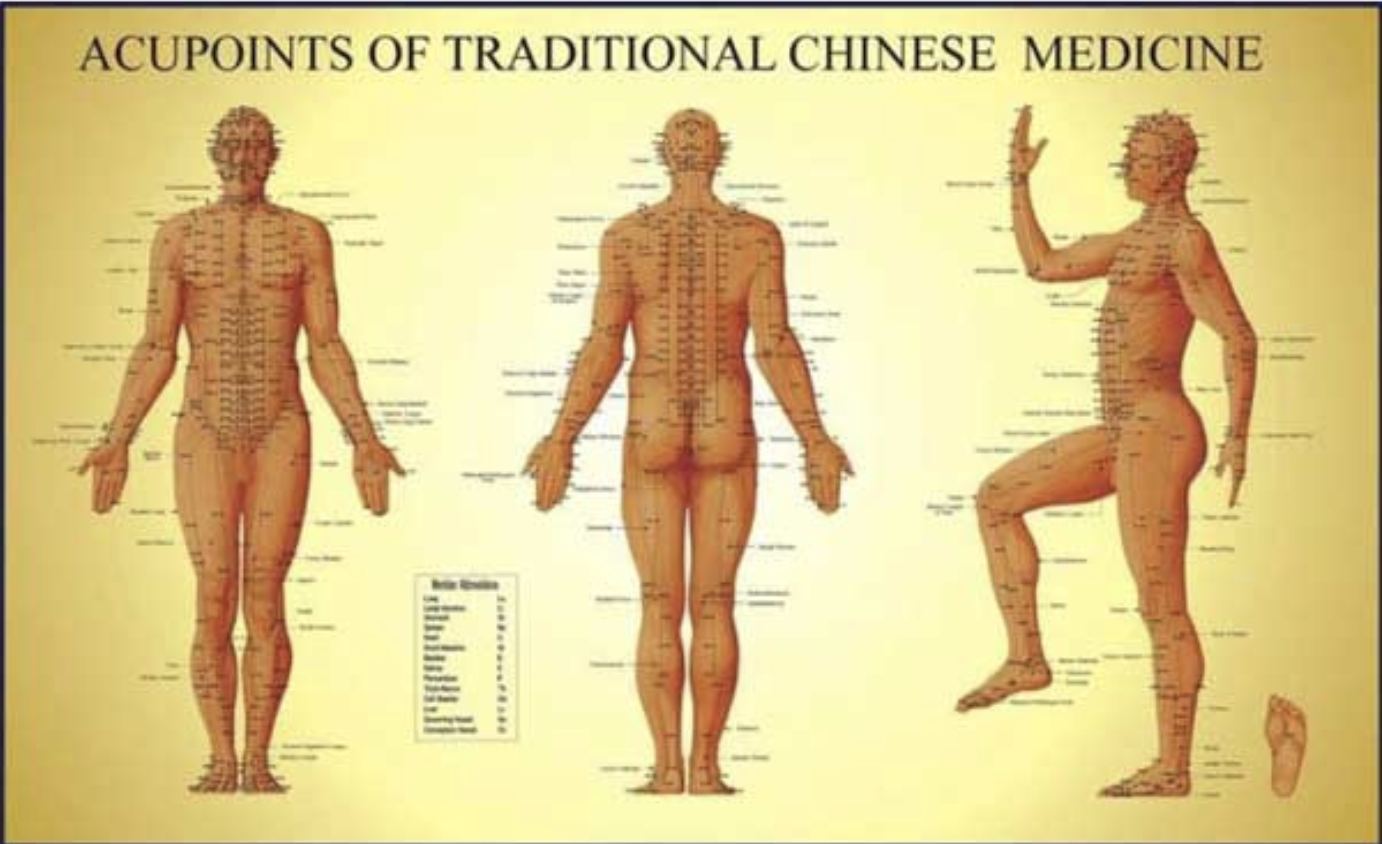
Acupoints Chart: Get your Acupoints of TCM Chart here
DIY Acupressure: Tools to Make It Easy
You don’t need a professional to enjoy the benefits. With the right tools, you can warm up tight tissue quickly and consistently.
Use these tools:
• Massage balls or tennis balls: great for feet, glutes, shoulders, and hard-to-reach spots
• Thumb-saver tools: deep pressure without strain
• Foam rollers with textured grips: combine pressure and movement
Combining Acupressure with Yoga or Exercise
Want to take it up a notch? Try this quick sequence:
Pre-Workout Sequence:
• Stomach 36 – activate lower body
• Large Intestine 10 – prep arms and shoulders
• light dynamic stretching (short and controlled)
During Yoga Flow:
• use an acupressure ball between poses on tight spots
After Activity:
• focus on Bladder 57 to release calves and reduce soreness
The Connection Between Acupressure and Injury Prevention
We often think of injuries as accidents. But many are preventable. Tight muscles are ticking time bombs. Acupressure helps tissues feel warmer, softer, and more ready to move.
It may help reduce risk of:
• muscle tears
• strains
• tendon irritation
• joint pain
Make Acupressure Your Pre-Workout Ritual
It only takes a few minutes, but the payoff is massive. Not only can you feel more flexible and warmed up, but you may also feel more connected to your body. Many people notice better balance, endurance, and strength simply by loosening up beforehand.
Want a simple, repeatable warm-up you can do at home?
Use ball acupressure to warm tissue, reduce stiffness, and move better in minutes.
Conclusion: Press Play on Your Body’s Potential
Warming up doesn’t have to mean jumping jacks and high knees. Acupressure gives you a calm, focused way to get muscles fired up and joints prepped—so every movement feels smoother, safer, and stronger. If you want to boost performance, prevent injuries, and feel good in your skin, start pressing those power points today.
FAQs
Can I do acupressure every day before workouts?
Absolutely. Daily use helps your body stay limber and less prone to injury. Keep it gentle and intentional.
Do I need special training to use acupressure points?
No. With a bit of guidance and practice, anyone can use basic acupressure techniques at home or in the gym.
How long should I hold each acupressure point?
Aim for 30–60 seconds per point using slow breaths. If you’re using a massage ball, roll gently for about 1–2 minutes.
Is it normal to feel sore after acupressure?
Mild tenderness is common, especially in tight areas. It should fade within 24 hours.
Can acupressure replace a warm-up?
It can enhance a warm-up but shouldn’t replace dynamic movement entirely. Use both for best results.