

WHY TIGHT FASCIA IS THE HIDDEN CAUSE OF YOUR STIFFNESS — AND HOW BALL ACUPRESSURE FIXES IT FAST
Ball acupressure for fascia warms tight tissues, reduces stiffness fast, and helps your body move smoothly.
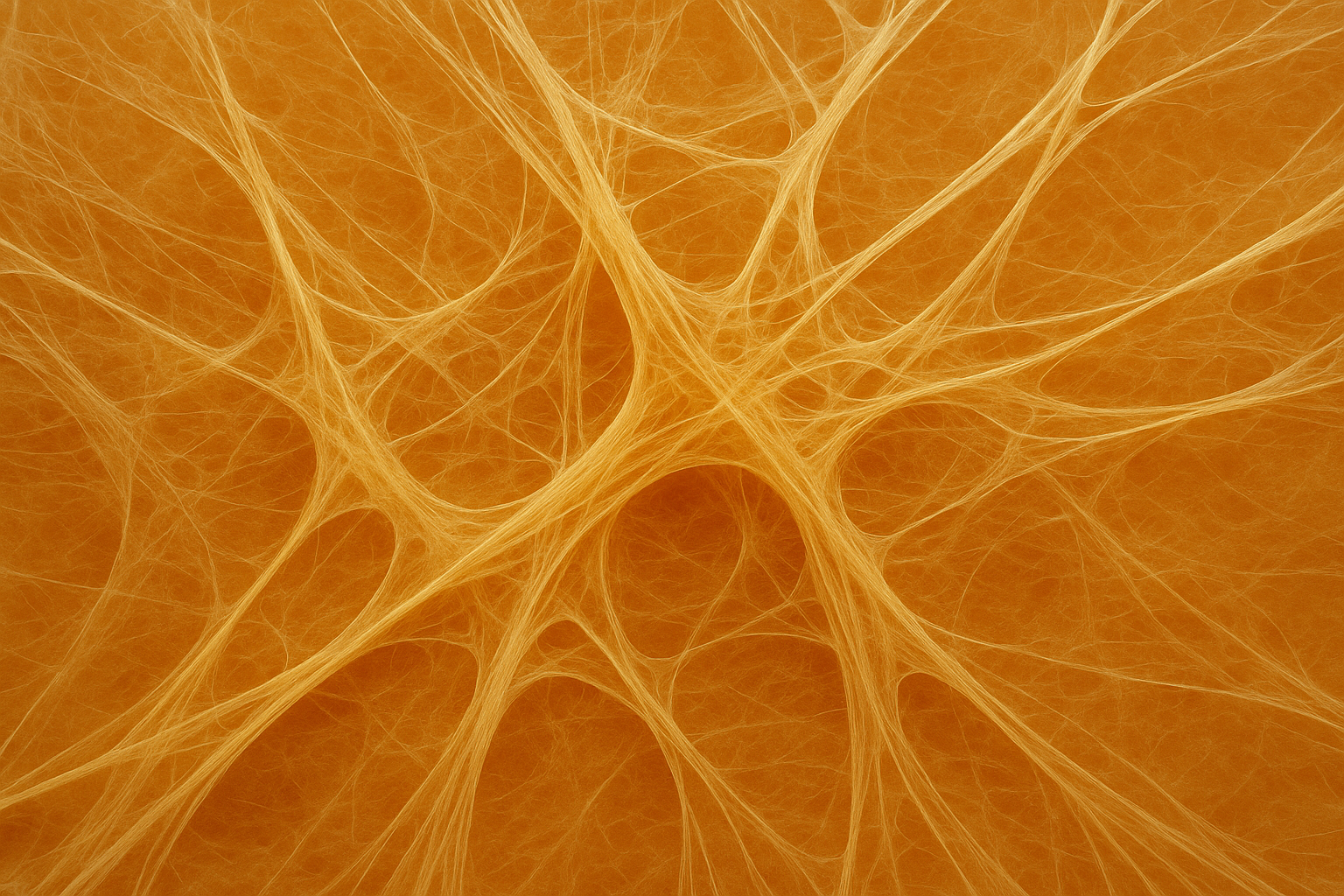
Warm fascia moves.
Cold fascia stiffens.
This simple principle is behind modern fascia science — and one of the biggest reasons the
AcupressureWorks method is so effective for unlocking stiffness and restoring smooth movement.
Most people talk about “tight muscles,” “short hamstrings,” or “a stiff back,” but what they are
really feeling most of the time is tight, dehydrated fascia. Fascia is the body’s
connective tissue matrix — a living, responsive web that wraps around every muscle, tendon, joint,
bone, nerve, and organ.
When fascia is warm, hydrated, and gliding smoothly, your body feels light, springy, and strong.
When fascia is cold, compressed, or dehydrated, you feel older than you are: stiff in the morning,
tight after sitting, and locked up when you try to move quickly.
In this article, we’ll break down what fascia actually is, how to recognize when it’s tight, why
stretching alone doesn’t fix it, and how targeted ball acupressure can reset your
fascia in just a few minutes a day.
What Fascia Actually Is (In Simple Terms)
Fascia is a continuous, three-dimensional network of soft connective tissue that runs from head to
toe. You can think of it like a flexible, intelligent inner bodysuit that:
• Wraps every muscle, tendon, and ligament
• Connects distant parts of the body along long “lines of pull”
• Provides structure, support, and shock absorption
• Is densely packed with sensory nerves and receptors
Instead of viewing the body as isolated muscles, fascia helps us see it as one integrated system.
What happens in your feet can influence your hamstrings, your back, your neck, even your jaw —
all through fascial connections. That’s one reason why a local tight spot can create global
stiffness.
Healthy fascia is:
• Hydrated and slightly elastic
• Able to glide smoothly over muscles and bones
• Responsive to load, movement, and temperature
Unhealthy fascia is:
• Sticky or “glued down”
• Dehydrated and dense
• Cold, stiff, and highly sensitive to pressure
The good news is that fascia responds quickly to the right type of stimulus —
especially warmth and sustained pressure, which is exactly what ball acupressure delivers.
Signs Your Fascia Is Tight
You may not be thinking “fascia” when you get out of bed in the morning, but your body is giving
you constant feedback. Common signs of tight fascia include:
• Morning stiffness that slowly eases as you move around
• Feeling “old” or compressed when you stand up from sitting
• Limited range of motion in your shoulders, hips, or spine
• Chronic neck and shoulder tension that keeps coming back
• Low-back tightness that worsens with long periods of sitting
• Hamstrings that never seem to loosen, no matter how much you stretch
• A “stuck” or restricted feeling when turning your head or twisting your torso
These patterns point to fascial lines that are cold, stiff, and dehydrated. You can stretch the
muscle inside those fascial sleeves all day, but if the sleeve itself stays tight, your movement
will still feel restricted.
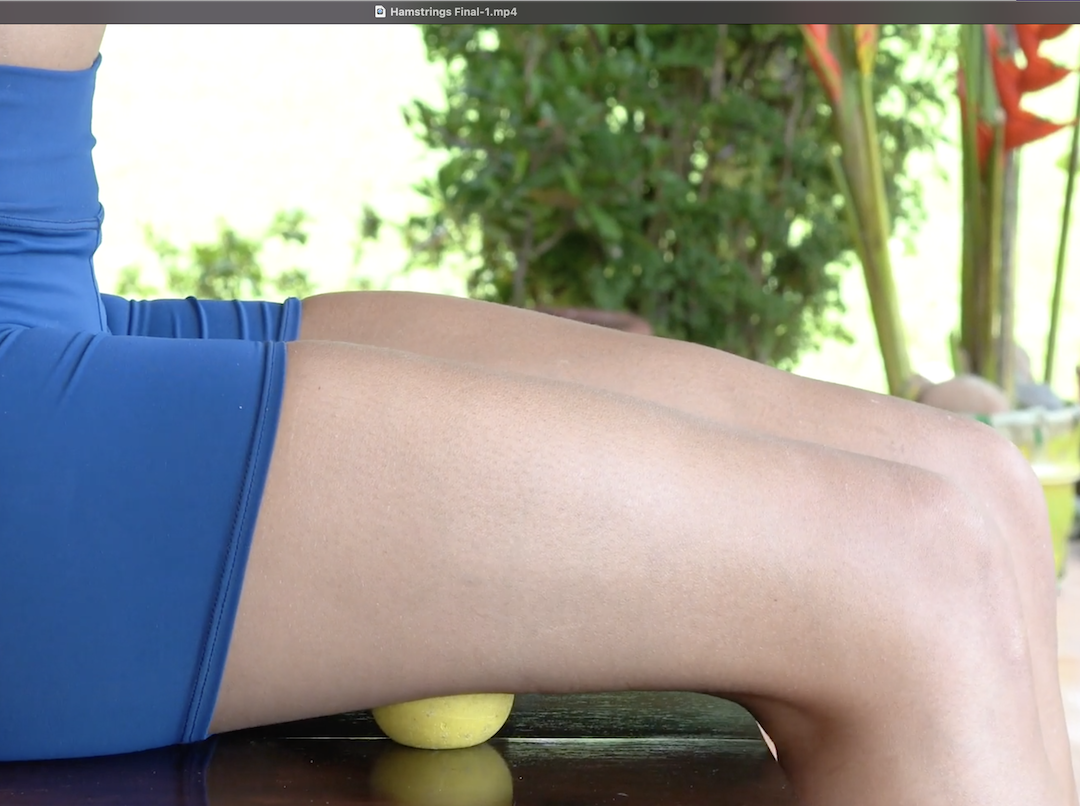
low back, and hamstrings.
Why Stretching Doesn’t Fix Fascia
Traditional advice says, “Just stretch more.” But if stretching alone worked, most people would be
flexible and pain-free by now. The reality is that static stretching:
• Pulls on tissue that may still be cold
• Does very little to increase circulation or inner tissue temperature
• Does not significantly change the hydration and glide of fascia
• Can sometimes irritate sensitive nerves when the tissue is not ready
Fascia responds far better to compression and warmth than to long, passive holds.
When you press a ball into a tight area, you create a “squeeze-and-release” effect that:
• Pushes out stagnant fluid and metabolic waste
• Draws fresh, warm circulation into the tissue when you release
• Encourages layers of fascia to glide again instead of sticking together
• Calms the nervous system as the pressure is sustained and then gradually released
Once fascia is warm and moving, any stretching you do afterward becomes safer, more effective, and
far more satisfying. This is why ball acupressure is such an efficient pre-stretch, pre-exercise,
and daily maintenance tool.
The Science: Why Compression + Pressure Works
Ball acupressure delivers a unique combination of mechanical compression and
therapeutic warmth. Here’s what that means inside your body:
• Compression gently squeezes the tissue, temporarily reducing blood flow in a very
local area.
• When you release the pressure, blood flow returns — often with a noticeable warmth and a sense
of relief.
• The pressure helps “unstick” fascial layers that have been sliding poorly or not at all.
• Deep sensory receptors in fascia send new information to your brain: “This area is safe to
relax.”
• Muscles respond by letting go of protective guarding, which increases your range of motion.
This is also where the “acu” in ball acupressure comes in. Many of the most powerful acupoints and
trigger points used in acupuncture and manual therapy live inside these fascial planes. By applying
sustained, intelligent pressure with a ball, you are:
• Stimulating key acupoints to regulate circulation and energy flow
• Releasing myofascial trigger points that cause referral pain and stiffness
• Engaging fascia in a way that feels both therapeutic and deeply relaxing

upper back.
Ball Acupressure vs Foam Rolling
Foam rolling has become popular for self-massage, but it has limitations — especially when you
need to get into deeper, more specific layers of fascia. Here’s how ball acupressure compares:
• Foam rolling covers a broad, general area; a ball can target precise points and
problem spots.
• Foam rollers often miss the smaller stabilizing muscles and deep fascial connections that drive
your stiffness.
• A ball can sink into areas like the rotator cuff, gluteus medius, hip rotators, and small spinal
muscles that the roller can’t touch.
• Ball pressure naturally invites you to pause, breathe, and wait for release — instead of just
“rolling back and forth” over the surface.
Ball acupressure is also easier to integrate:
• You can do it standing against a wall, lying on the floor, or even sitting in a chair.
• You control the exact amount of pressure by how much you lean in.
• You can focus on one powerful spot and wait for the tissue to melt and warm from the inside out.
For many people, just a few minutes of well-placed ball work can create more lasting change than
20 minutes of unfocused rolling or stretching.
The 3-Minute Fascia Reset (Do This Daily)
You don’t need a long routine to start transforming your fascia. Here is a simple 3-minute reset
you can do almost anywhere using a firm ball:
1. Upper Back (Behind the Shoulder Blade)
Place the ball between your upper back and a wall, slightly inside the shoulder blade. Gently lean
into the ball and breathe slowly.
• Hold for 30–60 seconds
• Let your weight melt into the pressure rather than forcing it
• Notice warmth and softening in your upper back, neck, and shoulder
2. Glutes and Hip Stabilizers
Move the ball to the side of your hip or the center of your glute, still using the wall or floor.
This area often hides deep, stubborn fascia tightness.
• Hold for another 30–60 seconds on tender spots
• Keep breathing slowly and evenly
• Let the hip relax around the ball instead of tensing against it
3. Hamstring Line Behind the Knee
Sit on a chair and place the ball under your thigh, just above the back of the knee. This is a key
fascial junction point for many people.
• Lean your weight into the ball and hold for 30–60 seconds
• Optionally, gently straighten and bend the leg while maintaining light pressure
• Feel how the hamstring and even the calf begin to lengthen and warm from within
In just 3 minutes, you have addressed three major fascial lines that influence your entire
posture. Over time, this becomes a powerful daily habit that keeps stiffness from building up in
the first place.
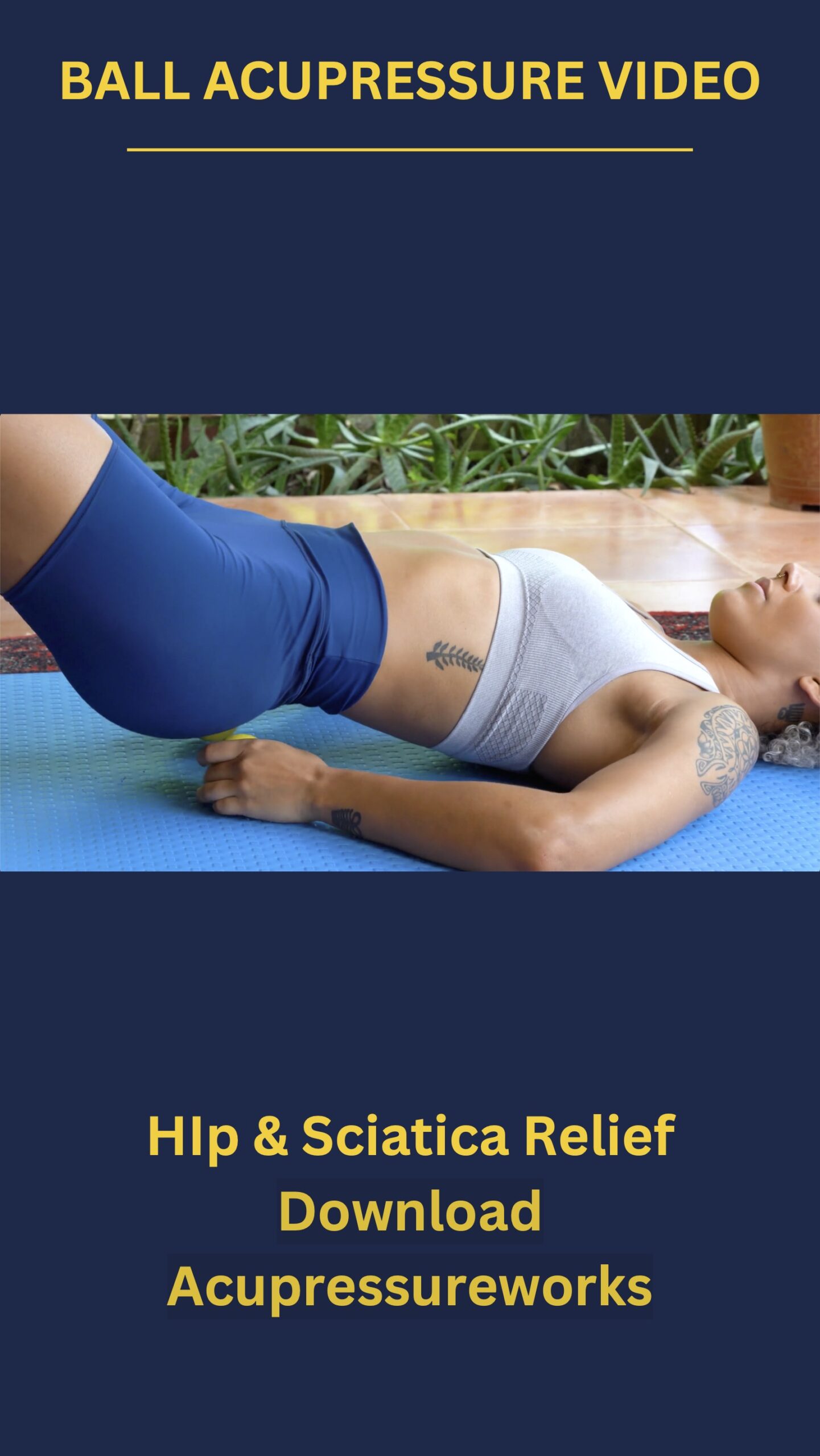
few minutes.
When to Use Ball Acupressure
One of the biggest strengths of ball acupressure is its flexibility — you can use it at multiple
points in your day depending on your goals.
• Morning: A quick fascia reset helps you shake off morning stiffness and feel
ready to move.
• Before exercise: Warming key fascial lines improves joint glide, reaction
time, and overall performance.
• After sitting: A few minutes of ball work can counteract the compression
and stagnation of long chair time.
• Before bed: Gentle pressure and breathing calm the nervous system and help
your body downshift into recovery mode.
Over time, your fascia becomes more responsive and resilient. Instead of feeling stiff all day and
trying to “undo” it once in a while, you start living in a body that naturally moves better, all
the time.
Recommended Tools + How to Start
You don’t need a fancy gym or expensive device to reset your fascia. A simple ball and clear,
step-by-step guidance are enough to create deep change. To make this easier, I’ve put together a
complete AcupressureWorks system you can follow at home:
• Ball Acupressure eBook — detailed illustrations and routines for key areas of the body
• Ball Acupressure Warm-Up Video — follow-along sequences to warm your fascia before activity
• Acupoints Charts (Male + Female) — visual maps of the most important points for self-care
• Complete Bundle — the best way to build a simple, sustainable daily fascia routine
Start small: choose one or two areas that bother you most, and commit to 3–5 minutes of ball
acupressure each day. As your fascia unlocks and your movement improves, you can expand into full
routines and sport-specific warm-ups.
Your fascia is not your enemy — it’s your built-in support system. It simply needs warmth,
hydration, and intelligent pressure to do its job.
If you are tired of feeling stiff, “old,” or limited by tightness that never seems to release,
ball acupressure can help you reset your fascia from the inside out — safely, quickly, and on
your own schedule.